Bug Control 101: Identifying Common Vermin and Their Effective Therapies
Bug control is an essential aspect of maintaining a healthy and balanced living setting. Usual parasites like ants, rats, and different pests can posture substantial obstacles. Comprehending their actions and indicators of invasion is vital for efficient administration. While chemical solutions exist, there are additionally natural choices worth considering. As one checks out the subtleties of insect recognition and therapy options, the value of avoidance approaches becomes progressively evident. What techniques can really maintain insects at bay?
Determining Ants: Kinds and Their Habitats
Ants, little yet awesome pests, are a diverse group that can be located in numerous environments around the world. There are over 12,000 determined types, each showing distinct actions and adaptations. Common types include the black yard ant, which thrives in warm locations, and the fire ant, known for its unpleasant sting, common in warmer areas. Woodworker ants like damp wood, making them an issue for home owners, while scent-laden home ants are drawn in to human food sources.
Ants create detailed nests, frequently underground, in timber, or within structures. Their environments vary from woodlands to metropolitan settings, showcasing their adaptability. The majority of types are social, staying in swarms that can differ in size from a few dozen to millions. Identifying the type of ant is vital for reliable parasite monitoring, as each species has different nesting practices and foraging behaviors that influence control strategies. Comprehending their habitats help in avoidance and treatment initiatives.
Recognizing Rats: Signs of Problem
Rats, like ants, can position substantial challenges for services and homeowners alike. Acknowledging signs of an invasion is essential for effective bug control. Typical indicators consist of droppings, which are commonly located near food resources or nesting locations; small, dark pellets that can be misinterpreted for seeds. Eaten wires, furniture, or packaging may likewise signify a rodent visibility, as they continually gnaw to maintain their teeth manageable. Furthermore, homeowners could discover gnaw marks on wall surfaces or walls. Unpleasant odors, coming from pee and droppings, can suggest a bigger problem. Damaging or scampering sounds, specifically at evening, are one more indication of rats. The presence of nests, usually made up of shredded products like paper or material, can validate an infestation. Dealing with these indications quickly can aid reduce damage and protect against the spread of illness linked with rodents.
Common Pest Vermin: From Aphids to Termites
Bugs stand for a varied team of pests that can wreak havoc in homes and yards, with species ranging from small aphids to destructive termites. Aphids are tiny, sap-sucking pests that can swiftly infest plants, leading to stunted development and distortion. They frequently attract ants, which secure them from all-natural killers. On the various other end of the spectrum, termites are well-known for triggering considerable structural damage to wood frameworks. They consume cellulose discovered in timber, endangering the stability of homes and buildings. Other usual pest pests include cockroaches, which grow in unhygienic problems, and bedbugs, understood for their attacks and problem in removal. Flies, particularly houseflies, can pollute food and send diseases, while mosquitoes posture health and wellness threats with their bites. Efficient pest monitoring begins with determining these bugs and recognizing their behaviors, which is crucial for protecting and avoiding problems both property and health and wellness.
Reliable Treatments: Chemical and Natural Solutions
While homeowners commonly look for instant remedy for insect invasions, choosing the right treatment-- whether chemical or natural-- needs cautious factor to consider of efficiency and safety. Chemical options, such as insecticides and chemicals, can give fast outcomes but typically bring threats, consisting of prospective damage to non-target species and environmental problems. Property owners must check out labels, follow application guidelines, and take into consideration the timing of treatments to lessen risks.
Alternatively, natural solutions, such as diatomaceous planet, vital oils, or homemade catches, attract those looking for eco-friendly alternatives. Although they may take longer to show outcomes, many natural treatments are much safer for homes with family pets and youngsters - Pest Control Homestead. Integrated pest monitoring, which combines both chemical and natural methods, can also be effective. Eventually, the selection between these treatment kinds need to straighten with the seriousness of the infestation, personal values regarding safety and security, and the certain bug being targeted
Prevention Techniques: Keeping Your Home Pest-Free
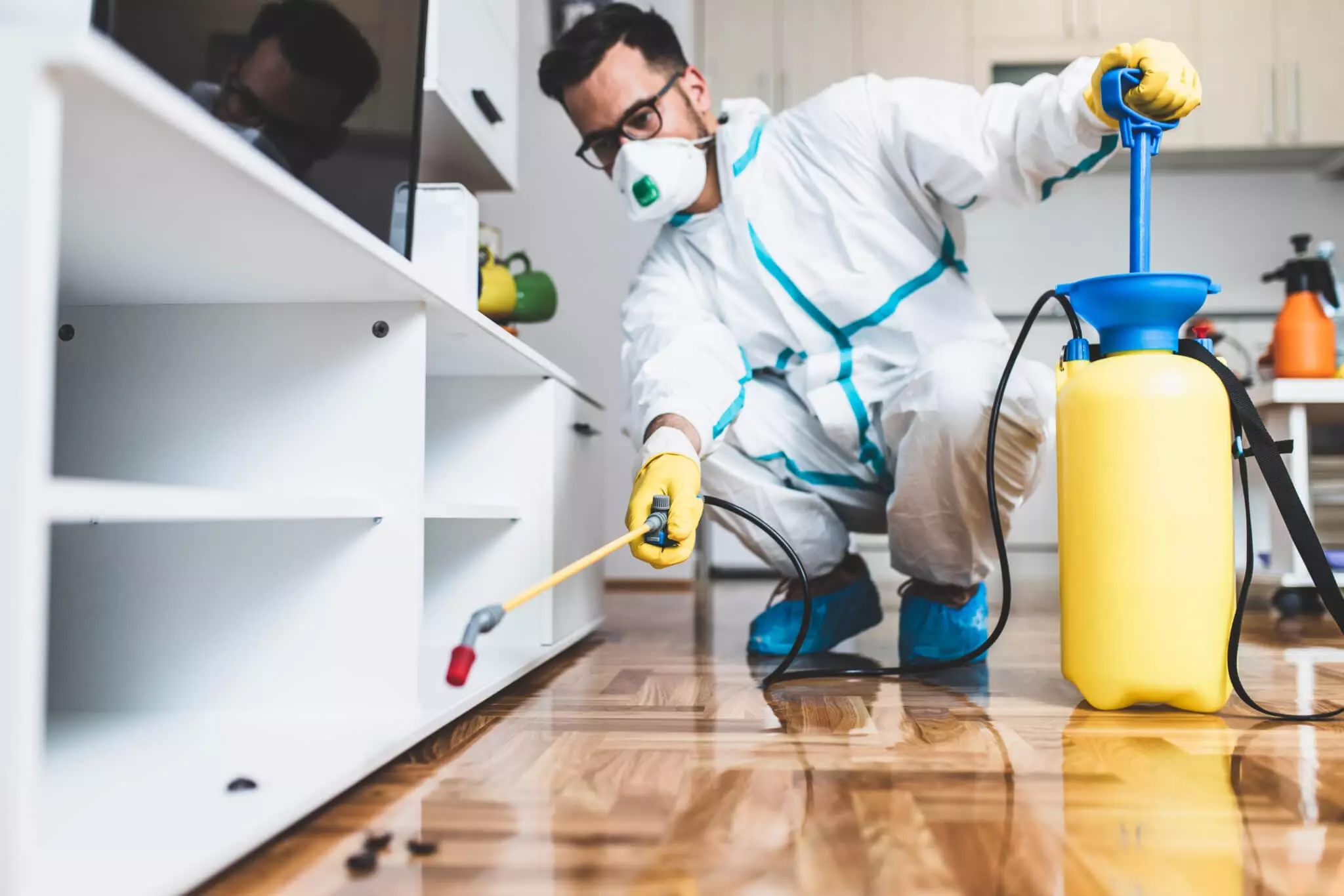
Furthermore, proper landscaping can discourage parasites; maintaining bushes cut and getting rid of debris from the lawn reduces hiding locations. Home owners must additionally consider moisture control, as lots of pests flourish in damp conditions. Fixing leaks and making sure correct water drainage can reduce this danger. Lastly, using natural deterrents, such as necessary oils or diatomaceous planet, can develop a negative atmosphere for pests. By executing these techniques, individuals can produce a pest-free home and lower the likelihood of future invasions.
Often Asked Questions
How Do I Know if I Have a Bug Problem?
Indicators of a pest trouble include droppings, chomp marks, nests, or unusual noises. Observing harmed food or building, in addition to inexplicable bites or rashes, might additionally indicate the visibility of pests in the environment.
Are There Any Seasonal Pest Trends to Be Aware Of?

Can Indoor Plant Kingdom Draw In Pests?
Indoor plants can without a doubt draw in bugs, as they provide a suitable atmosphere for bugs like aphids and crawler mites. Pest Control Homestead. Appropriate care and routine inspection are important to preserve and protect against infestations plant health
What Are the Health And Wellness Dangers Connected With Pest Infestations?
Insect invasions position numerous health risks, including allergic reactions, respiratory issues, and the spread of diseases. Exposure to pests like rats and insects can lead to infections, bites, and contamination of food and living environments.
How Often Should I Examine My Home for Pests?
Regular assessments must occur at the very least once every season, making sure any kind of indications of bug activity are identified early. Home owners might change frequency based on their particular setting and previous parasite problems. Consistency is vital.
Usual insects like ants, rodents, and various bugs can present considerable difficulties. Determining the type of ant is important for effective pest monitoring, as each types has different nesting practices and foraging actions that affect control methods. While house owners typically seek prompt alleviation from insect invasions, selecting the appropriate therapy-- whether chemical or natural-- calls for careful consideration of performance and security. Reliable parasite control expands beyond prompt treatments; it also involves proactive procedures to prevent problems before they begin. Seasonal insect fads commonly include increased rodent activity in fall as they look for warmth, while springtime normally brings an influx of termites and ants.
Comments on “Pest Control Homestead: The Proven Way to Keep Your Home Pest-Free”